Introduction
There's something inherently comforting about a homemade cake, especially one as indulgent as butter pecan. This cake embodies warmth and nostalgia, making it perfect for gatherings or just a sweet treat after dinner. With a delightful balance of buttery richness and the crunch of toasty pecans, it's a dessert that has the power to elevate any occasion.
Crafting a butter pecan cake at home might seem daunting, but with a straightforward recipe and a bit of patience, you can achieve a masterpiece that shines on any dessert table. The layers of buttery goodness paired with a luscious frosting create a symphony of flavors that will leave everyone asking for seconds. Prepare yourself to embark on a baking journey that not only fills your home with inviting aromas but also results in a cake that’s as beautiful as it is delicious.
Ingredients
- 2 cups all-purpose flour
Flour is the foundation of any cake, providing structure and stability. Their proteins contribute to the cake's texture, giving it the desired lightness while also holding the other ingredients together. - 1 1/2 cups granulated sugar
Sugar adds sweetness and moisture to the cake. It also aids in the browning process, creating a beautiful golden crust while helping to create a tender crumb. - 1 cup unsalted butter, softened
Butter adds a rich flavor and moist texture to the cake. Its fat content ensures that the cake stays tender and adds to the overall mouthfeel, making each bite delightful. - 3 large eggs
Eggs provide structure and stability to the cake while also contributing moisture. They help the cake rise, resulting in a light and fluffy texture. - 1 cup buttermilk
Buttermilk not only enhances the flavor with its slight tang but also reacts with baking soda to provide leavening, resulting in a lighter cake. Its acidity helps to tenderize the flour for a softer crumb. - 1 teaspoon vanilla extract
Vanilla extract adds depth of flavor to the cake, enhancing the sweetness and creating a warm aroma that complements the butter and nuts. - 1 teaspoon baking powder
Baking powder is a leavening agent that helps the cake rise. It creates air bubbles during baking, leading to a light and fluffy texture. - 1/2 teaspoon baking soda
Baking soda further aids in leavening and ensures an even rise in the cake. It works in concert with acidic ingredients like buttermilk to create a tender crumb. - 1/4 teaspoon salt
Salt enhances the flavors of the cake, balancing sweetness and allowing the other flavors to shine through. It also strengthens the protein structure in flour. - 1 cup chopped pecans, toasted
Toasted pecans provide a nutty flavor and crunchy texture that perfectly complements the buttery cake. Toasting them enhances their flavor and makes them more aromatic. - 1/2 cup caramel sauce
Caramel sauce adds a rich, sweet flavor that ties together the cake's components. It can also add moisture and enhance the cake's overall indulgence.
Directions & Preparation
Step 1: Preheat the oven to 350°F (175°C).
Preheating ensures that the cake cooks evenly from the start. An oven that’s too cool can result in a dense cake as it won’t rise properly. Use an oven thermometer to check the accuracy if needed.
Step 2: Grease and flour two 9-inch round cake pans.
Properly preparing the pans prevents the cake from sticking while baking. Greasing adds a layer of fat, and flour provides an additional barrier, ensuring a clean release.
Step 3: In a large mixing bowl, cream together the softened butter and sugar until light and fluffy.
Creaming butter and sugar incorporates air into the mixture, which helps with leavening. This process is crucial for a light texture; beat for about 3–5 minutes until the mixture becomes pale and airy.
Step 4: Add the eggs one at a time, mixing well after each addition.
Incorporating eggs gradually allows each to emulsify properly, contributing to a stable batter. This step is vital for a uniform texture and helps prevent the batter from curdling.
Step 5: Stir in the buttermilk and vanilla extract.
Adding buttermilk next introduces moisture into the batter. It also reacts with the baking soda for leavening, contributing to a light and tender cake.
Step 6: In a separate bowl, whisk together the flour, baking powder, baking soda, and salt.
Mixing dry ingredients separately ensures even distribution of leavening agents. This helps to avoid pockets of baking soda or powder, which could lead to uneven rising or taste.
Step 7: Gradually add the dry ingredients to the wet mixture, mixing on low speed.
Mixing on low prevents overworking the batter, which can develop gluten and lead to a tough cake. Only mix until just combined for a tender crumb.
Step 8: Fold in the toasted pecans and caramel sauce gently.
Folding helps maintain the airiness of the batter while evenly distributing the nuts and caramel. Be gentle to ensure the cake remains fluffy without deflating.
Step 9: Divide the batter evenly between the prepared pans.
Dividing the batter equally ensures even baking. Use a scale if you want to be precise, which can lead to more uniform cake layers.
Step 10: Bake for 25-30 minutes, or until a toothpick comes out clean.
Keeping an eye on the baking time is essential. Every oven is slightly different, so performing the toothpick test ensures that you catch the cakes at the right moment.
Step 11: Let the cakes cool in the pans for 10 minutes, then transfer to wire racks.
Cooling in the pans allows the cakes to set, making them easier to handle. Transferring them to racks permits proper airflow, preventing sogginess.
Step 12: Once cool, frost with your favorite buttercream or additional caramel sauce.
Frosting once the cake is fully cool prevents melting and ensures a neat application. Choose a frosting that complements the rich flavors of the cake for an indulgent finish.

The Importance of Toasted Pecans
Toasting pecans unlocks a depth of flavor that raw nuts simply cannot match. The heat enhances their natural oils, enriching their nutty profile and resulting in an aromatic crunch that adds texture and complexity to the cake. Be sure to watch them closely while toasting, as they can go from perfectly golden to burnt in a matter of seconds.
Selecting the Right Caramel Sauce
The caramel sauce can make or break your butter pecan cake. Opt for a high-quality sauce that boasts a balance of sweetness and buttery notes. Homemade caramel adds a personal touch, but store-bought versions can save time without compromising flavor, especially if fresh and artisan brands are chosen. The right sauce complements the rich body of the cake and enhances each bite.
Layering and Presentation Tips
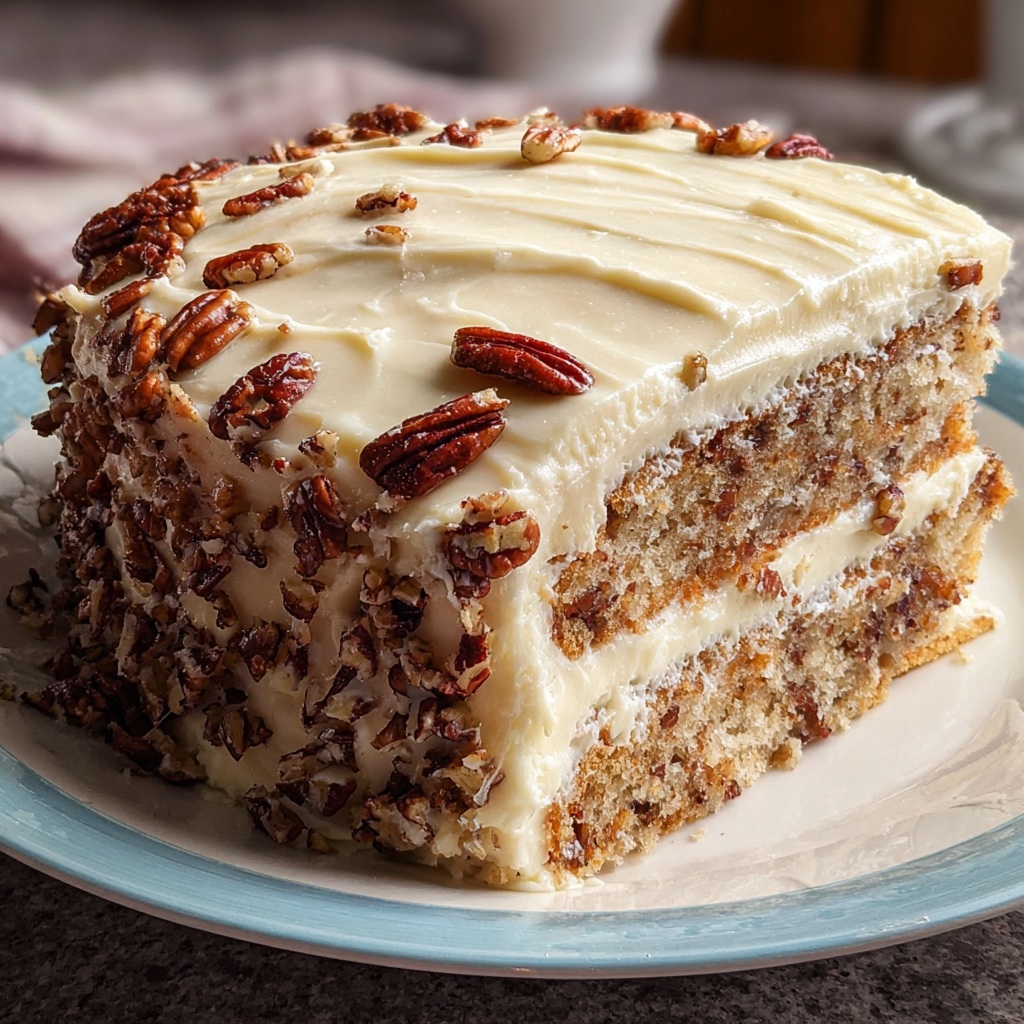
Layering adds visual appeal to your butter pecan cake and creates an inviting atmosphere when serving. Consider using a simple offset spatula to create smooth, even layers. Drizzling extra caramel sauce on top or garnishing with a few whole toasted pecans can elevate the presentation and give guests a taste of what’s inside, enticing them to dig in.
FAQs
What if my batter seems too thick?
If your batter appears too thick, consider adding a splash more of buttermilk. This will help loosen it, allowing for a better texture and ensuring the cake rises appropriately.
Can I scale this recipe to make a larger cake?
Absolutely! To make a larger cake, simply multiply the ingredients according to the desired size, keeping in mind to adjust the baking time and pan size for even cooking.
What should I do if my cake layers sink in the middle?
If your cake layers sink, it may be a sign that they were underbaked or the oven temperature was too low. Always ensure the cakes are fully baked before removing them from the oven.
Can I substitute the butter with oil?
While you can use oil, it will change the texture and flavor of the cake. Butter provides richness and contributes to the cake’s structure, while oil will create a denser cake.
Why does my cake taste bland?
If your cake tastes bland, it might be due to insufficient salt or vanilla. Don't be afraid to adjust these ingredients, as they play crucial roles in enhancing the overall flavor.
What if I want to add a chocolate element to the cake?
Incorporating cocoa powder or chocolate chips can definitely add a delightful twist. Just ensure to balance the sugar to accommodate the added ingredients’ sweetness.
Conclusion
Baking a homemade butter pecan cake is more than just following a recipe; it's about creating something special that warms the heart. Each slice reveals layers of buttery goodness and crunchy pecans, making it a delightful choice for any occasion. With a few simple ingredients and a little patience, you can achieve a cake that stands out, impresses your guests, and satisfies your sweet tooth.
So gather your ingredients, channel your inner baker, and enjoy the process. The satisfaction of serving a homemade cake is unparalleled, and the joy it brings to others is the ultimate reward. Here's to creating lasting memories, one delicious cake at a time!
Recipe Card
Delight in a Homemade Butter Pecan Cake Recipe
Ingredients
- 2 cups all-purpose flour
- 1 1/2 cups granulated sugar
- 1 cup unsalted butter softened
- 3 large eggs
- 1 cup buttermilk
- 1 teaspoon vanilla extract
- 1 teaspoon baking powder
- 1/2 teaspoon baking soda
- 1/4 teaspoon salt
- 1 cup chopped pecans toasted
- 1/2 cup caramel sauce
Instructions
- Preheat the oven to 350°F (175°C).
- Grease and flour two 9-inch round cake pans.
- In a large mixing bowl, cream together the softened butter and sugar until light and fluffy.
- Add the eggs one at a time, mixing well after each addition.
- Stir in the buttermilk and vanilla extract.
- In a separate bowl, whisk together the flour, baking powder, baking soda, and salt.
- Gradually add the dry ingredients to the wet mixture, mixing on low speed.
- Fold in the toasted pecans and caramel sauce gently.
- Divide the batter evenly between the prepared pans.
- Bake for 25-30 minutes, or until a toothpick comes out clean.
- Let the cakes cool in the pans for 10 minutes, then transfer to wire racks.
- Once cool, frost with your favorite buttercream or additional caramel sauce.
Notes
Additional serving suggestions: pair with a crisp salad, garlic bread, or roasted seasonal vegetables for balance.
For make-ahead, prep components separately and assemble just before heating to preserve texture.
Taste and adjust with acid (lemon/vinegar) and salt right at the end to wake up flavors.