Introduction
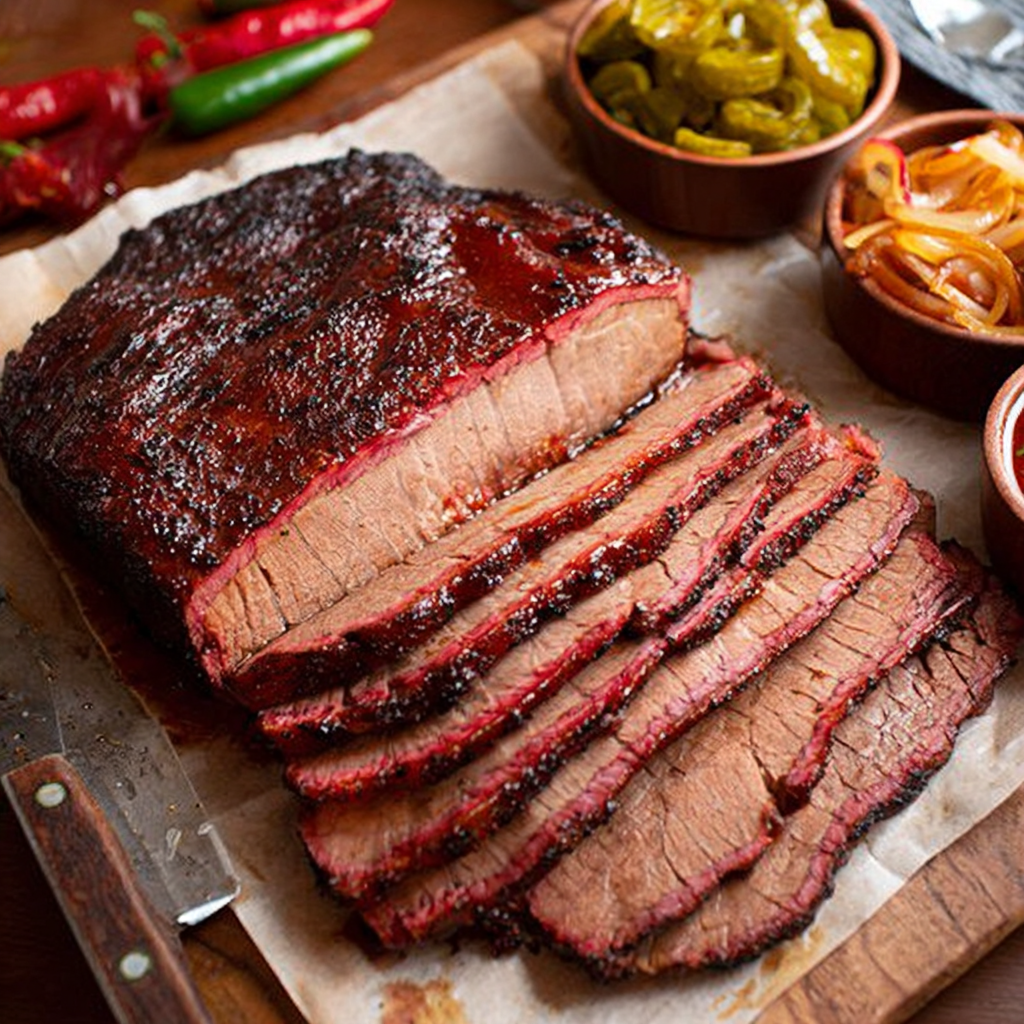
Smoked brisket is more than just a dish; it's an experience that brings friends and family together. The combination of low and slow cooking with the right blend of seasonings creates a tender, juicy cut that is simply irresistible.
While the process may seem daunting, the joy of mastering this classic technique is absolutely rewarding. With patience and the right approach, you can achieve a brisket that rivals those found in renowned barbecue joints.
Let’s explore the nuances of smoking brisket, from selecting the right cut to implementing a perfect rub, culminating in a meal that will impress any crowd.
Ingredients
- 5-7 pounds of beef brisket
Choosing a high-quality brisket is crucial for the best results. Look for a well-marbled cut with a good fat cap, as this will help keep the meat moist during the long smoking process. - 2 tablespoons coarse kosher salt
Salt enhances flavor and helps to tenderize the meat. It also creates a nice crust on the exterior, which adds texture and taste. - 1 tablespoon black pepper
Freshly cracked black pepper adds a bold flavor that complements the beef without overwhelming it. It also contributes to the brisket's beautiful bark. - 1 tablespoon smoked paprika
This spice adds a subtle smokiness and color to the brisket's crust, enhancing the overall flavor profile and appearance. - 1 tablespoon garlic powder
Garlic powder infuses a depth of flavor, making the brisket more savory. It works well in rubs because it spreads evenly over the surface. - 1 tablespoon onion powder
Onion powder provides a mild sweetness and complexity that rounds out the flavors of the rub while enhancing the brisket's natural taste. - Wood chips (hickory or oak)
The choice of wood is vital for achieving that signature smoked flavor. Hickory offers a rich, robust taste, while oak provides a milder aroma, allowing the meat's flavors to shine. - 1 cup beef broth
Using beef broth during the cooking process adds moisture and enhances the beefy flavors. It also helps in creating a flavorful baste while the brisket cooks.
Directions & Preparation
Step 1: Prepare the brisket by trimming excess fat.
Trimming the brisket is vital for even cooking and flavor absorption. Aim to leave about a quarter-inch of fat cap, which will help baste the meat during cooking, keeping it moist and juicy.
Step 2: Mix the rub ingredients and apply generously to the brisket.
Creating a well-balanced rub is essential for flavor. Ensure every part of the brisket is coated, as the spices will create a delicious crust during the smoking process that lock in moisture.
Step 3: Wrap the brisket in plastic wrap and refrigerate for at least 4 hours, preferably overnight.
Allowing the rub to sit on the meat for several hours lets the flavors penetrate deeper. This resting period builds a more flavorful bark when the brisket is smoked.
Step 4: Prepare your smoker and bring it to 225-250°F (107-121°C).
Maintaining a consistent temperature is crucial for evenly cooking the brisket and developing its flavor. Use a dual-probe thermometer, if available, to monitor the brisket's internal temperature.
Step 5: Add wood chips to the smoker just before placing the brisket inside.
Adding wood chips at the right moment ensures that the brisket absorbs that rich smoky flavor without becoming overwhelming. Experiment with soaking the chips beforehand to adjust the smoke intensity.
Step 6: Smoke the brisket for approximately 1 to 1.5 hours per pound until it reaches an internal temperature of 195-205°F (90-96°C).
The low and slow method allows the fat and connective tissues to break down, rendering the brisket tender. Use a meat thermometer to check for doneness, as this is more reliable than cooking time alone.
Step 7: Wrap the brisket in butcher paper or foil once it reaches around 160°F (71°C).
Wrapping the brisket helps to break through the stall—a phase where the temperature plateaus due to moisture evaporation. This step retains moisture and speed up the cooking after hitting that temperature mark.
Step 8: Let the brisket rest for at least 30 minutes before slicing.
Resting allows the juices to redistribute throughout the meat, ensuring each bite is juicy. Keeping the brisket covered during rest retains heat, so it’s still warm when served.

The Importance of Temperature Control
Controlling the temperature of your smoker plays a critical role in achieving a perfectly cooked brisket. Variations in heat can affect cooking time and the tenderness of the meat. Whether you are using a traditional offset smoker or a more modern electric model, stabilizing the temperature within the desired range allows for even cooking, ensuring that the brisket turns out tender and flavorful.
Choosing Your Wood for Smoking
The choice of wood significantly impacts the flavor of your smoked brisket. Different types of wood offer a variety of smokiness, sweetness, and aroma. Hickory provides a bold and hearty flavor, while fruit woods like apple or cherry add a fruity undertone. By experimenting with different wood types and blending them, you can influence the final taste profile, making it uniquely your own.
Slicing for Maximum Flavor
Slicing the brisket correctly is essential for both presentation and taste. Cutting against the grain breaks up the muscle fibers, resulting in a more tender bite. The direction of grain can change across the brisket; therefore, it's wise to inspect the meat before slicing. Aim for uniform slices about a quarter-inch thick to ensure each piece is both visually appealing and satisfying to eat.
FAQs
What should I do if my brisket is too tough?
If your brisket comes out tough, it may not have cooked long enough. Return it to the smoker to continue cooking until it reaches the desired tenderness.
Can I scale the recipe for a larger brisket?
Yes, you can scale the ingredients proportionally for a larger brisket; just remember that cooking time will also increase, potentially requiring adjustments to your smoking strategy.
How can I avoid a dry brisket?
To prevent dryness, make sure to maintain moisture during smoking; consider spritzing with beef broth every hour and avoid overcooking.
What if my brisket rub is too salty?
If the rub is too salty, balance it with some unsalted ingredients, like paprika or a sugar element, to counteract the saltiness.
Why is my brisket bark too thick or hard?
A thick or hard bark can result from excessive heat or cooking time. Keep temperatures low and monitor the meat's progress to achieve a balanced texture.
How can I tell when my brisket is ready to slice?
The brisket is ready when it reaches an internal temperature of 195-205°F (90-96°C) and has a nice crust on the outside while still feeling tender to the touch.
Is it necessary to use a water pan in the smoker?
Using a water pan can help maintain humidity in the smoker, which benefits the cooking process and can result in a more tender brisket.
Conclusion
Smoking brisket might seem intimidating at first, but with the right preparation and care, you can create a standout dish that showcases your culinary skills. Each step, from the selection of the brisket to the final moment of slicing, contributes to the overall success of the meal.
Enjoy your homemade smoked brisket with your favorite sides and good company, knowing that your efforts brought about a dish worth celebrating. Enjoy the journey as much as the delicious end result.
Recipe Card
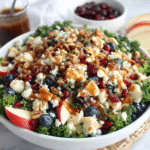
Festive Kale Salad With Goat Cheese for Every Occasion
Ingredients
- 8 cups kale chopped
- 4 oz goat cheese crumbled
- 1 cup pomegranate seeds
- 1/2 cup walnuts toasted and chopped
- 1/4 cup red onion thinly sliced
- 1/4 cup olive oil
- 2 tbsp balsamic vinegar
- Salt and pepper to taste
Instructions
- Prepare the kale
- Toast the walnuts
- Make the dressing
- Combine all salad ingredients
- Dress the salad
- Serve and enjoy
Notes
Additional serving suggestions: pair with a crisp salad, garlic bread, or roasted seasonal vegetables for balance.
For make-ahead, prep components separately and assemble just before heating to preserve texture.
Taste and adjust with acid (lemon/vinegar) and salt right at the end to wake up flavors.