Introduction
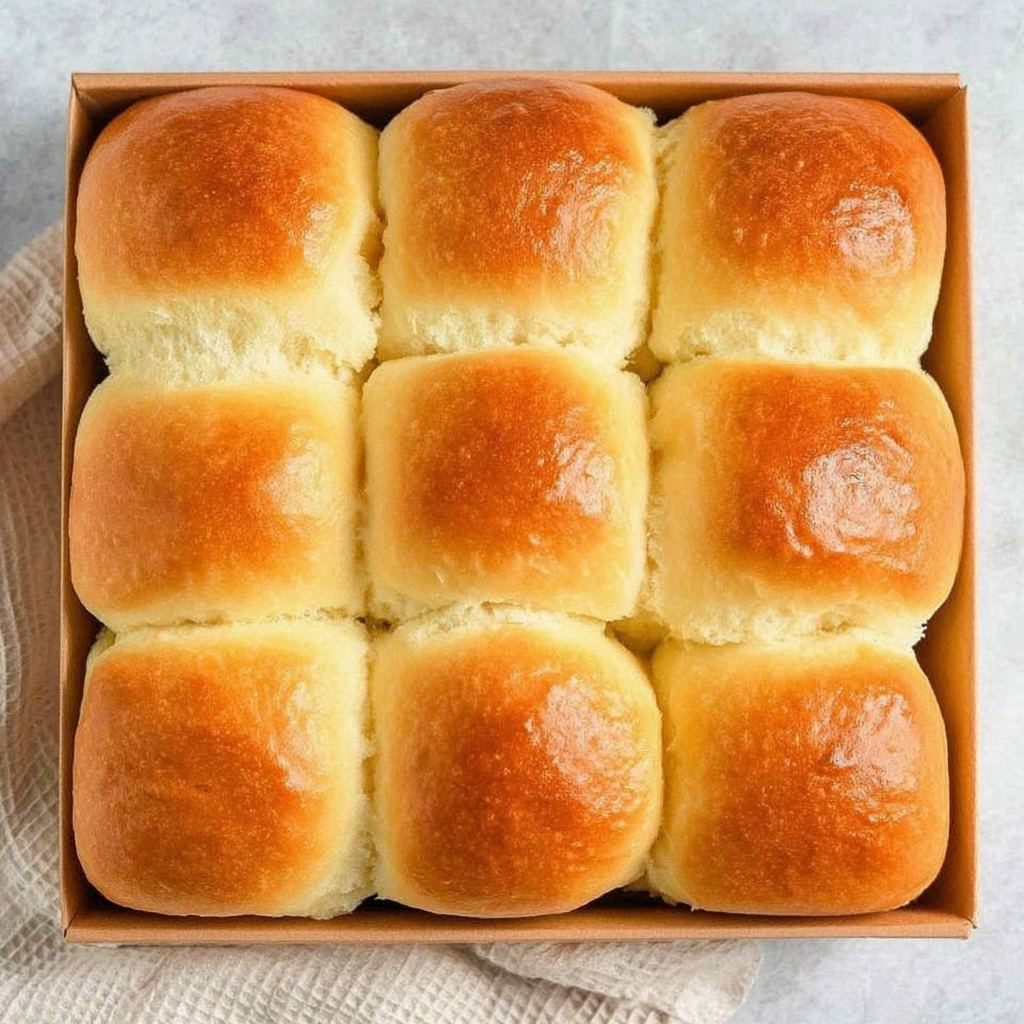
Dinner rolls are a staple in many households, known for their airy texture and comforting flavor. There’s something truly special about pulling a tray of freshly baked rolls from the oven, their warm aroma filling the air and inviting everyone to gather around the table.
These fluffy dinner rolls are not only easy to make but also incredibly versatile. Whether served with a holiday feast or a simple weeknight meal, these rolls are certain to please. Preparing your own bread may seem daunting, but with a little patience and the right technique, you’ll find it rewarding.
Ingredients
- 4 cups all-purpose flour
The foundation of your dinner rolls, all-purpose flour provides the necessary structure and gluten that helps the rolls rise. It absorbs moisture and contributes to the final texture, ensuring your rolls are fluffy on the inside. - 2 tablespoons sugar
Sugar acts as a food source for the yeast, helping to activate it. Additionally, it enhances the flavor and aids in achieving a golden-brown crust during baking. - 2 teaspoons salt
Salt not only adds flavor but also strengthens the gluten structure, improving the dough's elasticity. It helps ensure that the rolls have a balanced taste and prevents them from rising too quickly. - 1 packet (2 1/4 teaspoons) active dry yeast
Yeast is the leavening agent that produces carbon dioxide gas when activated, causing the dough to rise. This creates the light, airy texture characteristic of fluffy rolls. - 1 1/2 cups warm milk (about 110°F)
Warm milk helps to activate the yeast more effectively, allowing it to rise properly. The fat in milk also enriches the dough, enhancing the rolls' tenderness and flavor. - 1/2 cup unsalted butter, melted
Butter adds richness and flavor to the dinner rolls. It also contributes to the soft texture, making them more enjoyable to eat. The melted form ensures it incorporates easily into the dough. - 2 large eggs
Eggs enrich the dough and improve its structure. They add moisture and facilitate the bonding of ingredients, resulting in a more cohesive dough and texture.
Directions & Preparation
Step 1: Activate the yeast.
Begin by combining the warm milk with the yeast and sugar in a bowl. Allow it to sit for about 5-10 minutes until it becomes frothy. This step is crucial for ensuring your yeast is alive and active; if it doesn’t froth, you may need to start over with new yeast.
Step 2: Combine dry ingredients.
In a large mixing bowl, whisk together the flour, salt, and the activated yeast mixture. Mixing the dry ingredients helps to evenly distribute the salt and yeast, ensuring a uniform dough where each roll rises evenly.
Step 3: Add eggs and butter.
Incorporate the melted butter and eggs into the dry mixture. This adds richness and hydration, essential for achieving soft, fluffy rolls. Mix until a dough begins to form, being careful not to overmix at this stage.
Step 4: Knead the dough.
Transfer the dough to a lightly floured surface and knead for about 8-10 minutes. Kneading develops the gluten, which provides structure to the rolls. The dough should be smooth and elastic when finished.
Step 5: First rise.
Place the dough in a greased bowl, cover it with a damp cloth, and let it rise in a warm place until doubled in size, about 1-2 hours. This step is essential for creating the fluffy texture; it allows the yeast to work its magic.
Step 6: Shape the rolls.
Once risen, punch down the dough to release excess air. Divide the dough into equal pieces and shape each into a ball. This helps maintain an even size for consistent baking and ensures a nice structure.
Step 7: Second rise.
Arrange the shaped rolls in a greased baking dish and cover again. Allow them to rise for about 30-45 minutes, or until puffed. This second rise helps develop a light texture and allows the flavors to deepen.
Step 8: Preheat the oven.
While the rolls are rising, preheat your oven to 375°F. Preheating ensures the rolls will bake evenly and develop a nice golden crust as soon as they go in. It’s a vital step for achieving the perfect bake.
Step 9: Bake the rolls.
Bake the rolls in the preheated oven for 20-25 minutes, or until golden brown. Keeping an eye on them is crucial; you want to achieve a lovely color while ensuring they remain soft inside.
Step 10: Cool and serve.
After removing the rolls from the oven, let them cool slightly in the pan before transferring them to a wire rack. This cooling process maintains their softness, and serving them warm is ideal for a delicious experience.

Flavor Variations for Dinner Rolls
These rolls can adapt to your taste with a few simple additions. Consider incorporating herbs like rosemary or garlic powder into the dough for a savory twist. For a sweeter version, sprinkle cinnamon and sugar on top before baking or add raisins to the mix. These variations can transform your basic rolls into something special, perfect for any meal.
The Importance of Proper Kneading
Kneading is a critical step in creating fluffy dinner rolls. It develops gluten, which provides structure and elasticity. An under-kneaded dough can lead to dense, unappealing rolls, while over-kneading can make them tough. Knowing the right texture to achieve through kneading will elevate your rolls significantly.
Pairing Suggestions for Dinner Rolls
These fluffy dinner rolls are perfect for complementing various dishes. They pair beautifully with soups, stews, or any main course that benefits from a bit of bread. Additionally, consider serving them with flavored butters or dipping oils to enhance your meal further, making them irresistible.
FAQs
What do I do if my rolls come out flat?
If your rolls turn out flat, it may indicate the dough did not rise enough during the first or second rise. Ensure your yeast is active and that you’re allowing enough time for rising in a warm environment.
Can I make these with whole wheat flour?
Yes, you can substitute some or all of the all-purpose flour with whole wheat flour, but be mindful that this may alter the texture. You may need to adjust the liquid slightly since whole wheat flour absorbs more moisture.
Why are my rolls too dense?
Dense rolls can result from under-kneading the dough, insufficient rising time, or using old yeast. Ensure your dough is well-kneaded and give it ample time to rise properly for fluffy results.
How can I tell when my rolls are done baking?
You can check for doneness by tapping the bottom of a roll; it should sound hollow. Additionally, the rolls should have a nice golden-brown color and feel firm to the touch.
What if I want to make smaller rolls?
If you prefer smaller rolls, simply divide the dough into smaller pieces during shaping. Just adjust the baking time slightly, checking for doneness a few minutes earlier than the standard time.
Is it important to let the dough rise in a warm place?
Yes, a warm place helps activate the yeast efficiently, leading to a good rise. If your kitchen is cool, consider placing the dough in an oven preheated to its lowest setting, then turned off, to create an ideal environment.
Conclusion
Making fluffy dinner rolls at home is a gratifying experience that can elevate any meal. With simple ingredients and a bit of patience, you’ll be rewarded with delicious rolls that your family will love.
Experiment with different flavors and textures until you find your favorite version. These rolls are sure to become a beloved addition to your home cooking repertoire.
Recipe Card
Perfectly Fluffy Dinner Rolls for Any Occasion
Ingredients
- 4 cups all-purpose flour
- 2 tablespoons sugar
- 2 teaspoons salt
- 1 packet 2 1/4 teaspoons active dry yeast
- 1 1/2 cups warm milk about 110°F
- 1/2 cup unsalted butter melted
- 2 large eggs
Instructions
- Activate the yeast.
- Combine dry ingredients.
- Add eggs and butter.
- Knead the dough.
- First rise.
- Shape the rolls.
- Second rise.
- Preheat the oven.
- Bake the rolls.
- Cool and serve.
Notes
Additional serving suggestions: pair with a crisp salad, garlic bread, or roasted seasonal vegetables for balance.
For make-ahead, prep components separately and assemble just before heating to preserve texture.
Taste and adjust with acid (lemon/vinegar) and salt right at the end to wake up flavors.