Introduction
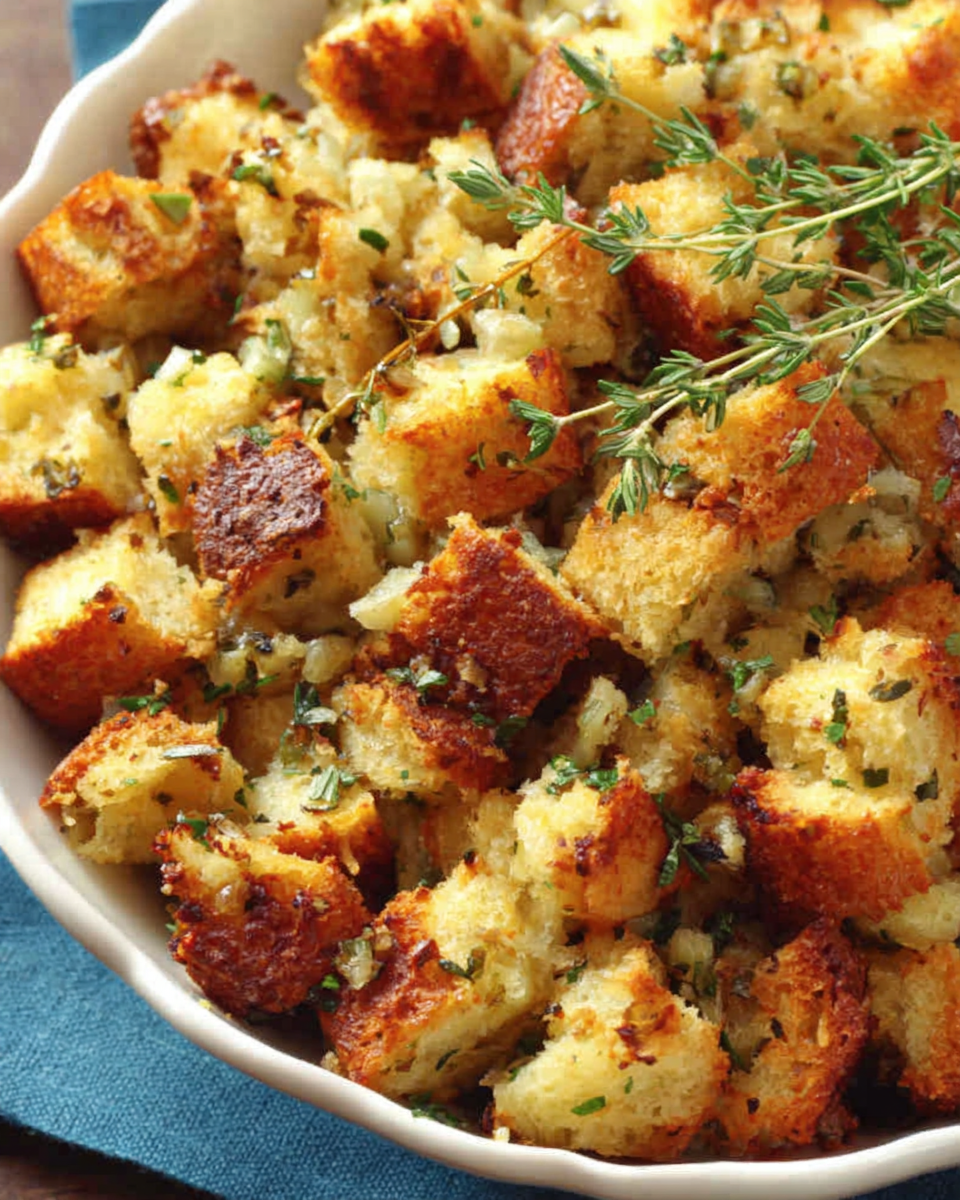
Thanksgiving wouldn’t be complete without Grandma’s classic stuffing. This cherished family recipe has a rich history, evoking memories of family gatherings around the dinner table, where every spoonful tells a story. The delightful aroma wafting through the kitchen fills hearts and bellies alike, reminding us of the warmth of tradition and the joy of togetherness.
Stuffing, or dressing as some call it, is a versatile dish that can be tailored to suit personal preferences while maintaining the classic essence. It’s more than just a side; it complements the turkey magnificently, balancing flavors and textures while celebrating the bounty of the harvest season. Let's dive into the ingredients that make this stuffing truly special.
Ingredients
- 1 loaf of day-old bread, cubed (10-12 cups)
Using day-old bread adds texture and structure to the stuffing. It absorbs liquids without becoming mushy, resulting in a beautiful contrast of flavors. - 1 cup celery, diced
Celery contributes crunch and a fresh, herbal flavor, enhancing the overall profile of the stuffing. It also adds moisture, which is crucial for a balanced dish. - 1 cup onion, diced
Onions provide sweetness and depth, caramelizing beautifully as they cook. They form the flavor base that enriches the stuffing. - 1/2 cup butter
Butter adds richness and coats the ingredients, allowing spices and herbs to release their flavors. It also enhances the browning process for a more appealing color. - 2-3 cups chicken or vegetable broth
Broth brings moisture and flavor to the stuffing, ensuring it’s not dry. The amount can be adjusted for preferred consistency. - 2 teaspoons dried sage
Sage is a classic herb in stuffing, providing an earthy, aromatic essence that pairs beautifully with poultry. - 1 teaspoon dried thyme
Thyme adds a subtle grassy note that complements the sage and other ingredients, enhancing the herbal complexity. - Salt and pepper to taste
Seasoning is essential to bringing out the natural flavors of the ingredients. Adjust according to personal preference. - 1/2 cup dried cranberries or nuts (optional)
Dried cranberries add a sweet-tart contrast, while nuts like walnuts or pecans introduce both texture and nutty flavors.
Directions & Preparation
Step 1: Preheat your oven to 350°F (175°C).
Preheating the oven is essential for even cooking. At the right temperature, the stuffing will bake through without drying out or becoming soggy.
Step 2: In a large skillet, melt the butter over medium heat and sauté the onions and celery until softened, about 5-7 minutes.
Cooking the onions and celery first provides a flavorful base for the stuffing. This step draws out their natural sweetness and softens their textures, enhancing the final dish.
Step 3: In a large bowl, combine the bread cubes with the sautéed vegetables, sage, thyme, salt, and pepper.
Mixing the bread and vegetables evenly ensures that every bite is infused with flavor. The bread's surface area is key in absorbing the broth later.
Step 4: Gradually add broth to the bowl, mixing until the bread is moist but not soggy.
The moisture from the broth is crucial for a satisfying texture. Adding it gradually allows you to control the consistency and avoid an overly wet stuffing, which can lead to a mushy result.
Step 5: If using, fold in cranberries or nuts for added flavor and texture.
Optional ingredients like cranberries or nuts can elevate the stuffing, adding unique flavors and pleasing crunches that contrast with the soft bread.
Step 6: Transfer the mixture to a greased baking dish and cover with foil.
Covering the dish allows the stuffing to steam, helping it cook uniformly while retaining moisture. This step prevents a dry crust forming too quickly.
Step 7: Bake for 25 minutes, then remove the foil and bake for an additional 10-15 minutes until golden.
Baking covered retains moisture, while removing the foil towards the end allows for browning. This gives the stuffing a delightful crisp texture.
Step 8: Let the stuffing cool slightly before serving.
Allowing the stuffing to rest for a few minutes before serving helps the flavors meld and makes it easier to serve without crumbling.

The Art of Bread Selection
Choosing the right bread is pivotal to achieving the desired texture in your stuffing. A hearty sourdough, rustic country loaf, or even a classic white bread can be used. The goal is to select bread that can absorb moisture while holding its shape. Avoid fresh bread as it won’t yield the same sturdy texture, which is why day-old bread is often recommended.
Adding Flavorful Twists
Experimenting with additional ingredients can personalize this classic stuffing. Consider incorporating aromatic additions like sautéed garlic or mushrooms to enhance depth and flavor. You might also opt for variations like sausage or even a hint of citrus zest for a modern twist on Grandma’s recipe. The possibilities are endless!
Perfecting Texture—Moist versus Dry
Achieving the right balance of moist and dry stuffing requires attention during the broth addition step. Too much broth results in a soggy mixture, while too little leads to a dry stuffing that crumbles apart. Testing the mixture with your hands can help; it should feel moist but hold its shape when pressed.
FAQs
What should I do if my stuffing is too thick?
If your stuffing is too thick, gradually add more broth until you achieve a moist consistency. Mix gently to avoid breaking down the bread cubes.
How can I add more flavor without extra ingredients?
Increase the amount of herbs used, particularly sage or thyme, to boost flavor. Tasting during preparation helps adjust seasoning effectively.
Is it better to bake the stuffing inside or outside the turkey?
Baking it outside the turkey allows for crisp edges and an even texture, while still complementing the turkey. It also ensures safer and more effective cooking.
Can I use different herbs for a unique flavor?
Absolutely! Feel free to swap in herbs like rosemary or parsley. They can provide a different yet delicious flavor profile that retains the spirit of the dish.
What if I find my stuffing bland?
To enhance the flavors of a bland stuffing, try incorporating a splash of vinegar or freshly squeezed lemon to brighten the dish. Adjusting the seasoning can also help.
Can I double this recipe easily?
Yes, this stuffing recipe scales well. Just ensure you have a large enough baking dish to accommodate the increased volume.
Conclusion
Grandma’s classic Thanksgiving stuffing is not just a recipe; it’s a tradition that brings families together across generations. Each bite is filled with nostalgia and the comforting flavors of home. Whether enjoyed alongside the turkey or featured on the table independently, this stuffing stands as a testament to what Thanksgiving is all about.
Next time you gather with loved ones, embrace this time-honored dish, and perhaps pass the recipe on to a new generation. After all, the joy of cooking is not only about the food but the memories created around the table.
Recipe Card
Grandma’s Classic Thanksgiving Stuffing Recipe
Ingredients
- 1 loaf of day-old bread cubed (10-12 cups)
- 1 cup celery diced
- 1 cup onion diced
- 1/2 cup butter
- 2-3 cups chicken or vegetable broth
- 2 teaspoons dried sage
- 1 teaspoon dried thyme
- Salt and pepper to taste
- 1/2 cup dried cranberries or nuts optional
Instructions
- Preheat your oven to 350°F (175°C).
- In a large skillet, melt the butter over medium heat and sauté the onions and celery until softened, about 5-7 minutes.
- In a large bowl, combine the bread cubes with the sautéed vegetables, sage, thyme, salt, and pepper.
- Gradually add broth to the bowl, mixing until the bread is moist but not soggy.
- If using, fold in cranberries or nuts for added flavor and texture.
- Transfer the mixture to a greased baking dish and cover with foil.
- Bake for 25 minutes, then remove the foil and bake for an additional 10-15 minutes until golden.
- Let the stuffing cool slightly before serving.
Notes
Additional serving suggestions: pair with a crisp salad, garlic bread, or roasted seasonal vegetables for balance.
For make-ahead, prep components separately and assemble just before heating to preserve texture.
Taste and adjust with acid (lemon/vinegar) and salt right at the end to wake up flavors.