
Introduction
German Chocolate Cake, despite its name, has roots in the United States rather than Germany. This delightful dessert combines layers of rich chocolate cake with a unique coconut and pecan frosting, creating a tantalizing balance of flavors and textures.
Originally named after an American named Samuel German, who developed a dark-baking chocolate, it has become a beloved treat celebrated for its moistness and sweet topping. Baking this cake at home allows you to experience its delicious, comforting qualities while impressing family and friends.
Ingredients
- 2 cups all-purpose flour
This is the main structure of the cake, providing the necessary gluten to keep it together. The flour also contributes to the overall texture, allowing the cake to rise properly. - 2 cups granulated sugar
Sugar not only sweetens the cake but also helps create a tender crumb by hindering gluten development. It also contributes to the caramelization during baking, adding a depth of flavor. - 3/4 cup unsweetened cocoa powder
Cocoa powder gives the cake its rich chocolate flavor. It's important to use unsweetened cocoa to balance the sweetness of the cake and ensure a deep, dark color. - 1 1/2 teaspoons baking powder
Baking powder is a leavening agent that helps the cake rise, creating a light and airy texture. It reacts with moisture and heat to produce carbon dioxide gas. - 1 1/2 teaspoons baking soda
Baking soda also acts as a leavening agent, but it requires acid to activate. This ensures that the cake rises evenly and has the right texture and volume. - 1 teaspoon salt
Salt enhances the flavor of all the other ingredients, balancing sweetness and bringing out the chocolate's richness. It’s essential for a well-rounded flavor profile. - 1 cup whole milk
Milk adds moisture to the batter, helping to create a tender cake. It also contributes to the flavor and richness of the cake. - 1/2 cup vegetable oil
Oil keeps the cake moist for a longer period compared to butter, and it helps create a tender crumb. It also adds richness to the overall flavor. - 2 large eggs
Eggs provide structure and stability to the cake. They also add moisture and richness, helping the cake to rise as it bakes. - 2 teaspoons vanilla extract
Vanilla enhances the overall flavor profile, complementing the chocolate and balancing sweetness with its aromatic notes. - 1 cup sweetened shredded coconut
Coconut adds a chewy texture and a hint of sweetness to the frosting. It also contributes a tropical flavor that is characteristic of this cake. - 1 cup chopped pecans
Pecans provide a nutty flavor and a crunchy texture, enhancing the richness of the frosting while balancing the creaminess of the coconut. - 1 cup granulated sugar (for frosting)
This sugar sweetens the frosting and helps create a thick, spreadable consistency that adheres beautifully to the cake. - 1/2 cup evaporated milk
Evaporated milk contributes to the creamy texture of the frosting, making it rich and luscious without being overly heavy. - 1/2 cup butter (for frosting)
Butter adds a smooth, creamy texture and a rich flavor to the frosting, helping to blend the ingredients together seamlessly. - 1 teaspoon vanilla extract (for frosting)
Just like in the cake batter, vanilla extract in the frosting enhances the flavor profile, rounding out the sweetness with aromatic notes.
Directions & Preparation
Step 1: Preheat the oven to 350°F (175°C).
Preheating the oven ensures that your cake bakes evenly from the moment it enters the oven. A properly heated oven allows the cake to rise correctly and prevents a dense texture.
Step 2: Grease and flour three 9-inch round cake pans.
Greasing and flouring the pans prevents the cake from sticking when you attempt to remove it after baking. This step is crucial for maintaining the cake's shape and presentation.
Step 3: In a large mixing bowl, combine flour, sugar, cocoa powder, baking powder, baking soda, and salt.
Mixing the dry ingredients thoroughly before adding wet ones ensures they are evenly distributed throughout the batter, leading to a consistent texture and flavor in the cake.
Step 4: In a separate bowl, whisk together milk, oil, eggs, and vanilla.
Mixing the wet ingredients separately allows for better incorporation when combined with the dry ingredients. This leads to a smoother batter and a well-mixed cake.
Step 5: Combine the wet and dry ingredients, mixing until just combined.
Overmixing can lead to a tough cake texture, so mixing until just combined helps maintain the cake's tenderness. A few lumps are acceptable, as they will bake out.
Step 6: Divide the batter evenly among the three prepared pans.
Dividing the batter evenly ensures that all layers bake at the same rate, producing uniform layers for stacking. This is essential for presentation and serving.
Step 7: Bake for 25-30 minutes or until a toothpick inserted in the center comes out clean.
Monitoring the baking time is crucial; underbaking can lead to a gooey center, while overbaking can dry out the cake. The toothpick test is a reliable method to check for doneness.
Step 8: Allow the cakes to cool in the pans for 10 minutes before removing them.
Cooling the cakes in their pans helps them to firm up slightly, making it easier to remove them without breaking. This brief cooling period is essential for maintaining the shape.
Step 9: Transfer the cakes to a wire rack to cool completely.
Cooling the cakes completely is important to prevent melting the frosting upon assembly. A wire rack allows air to circulate around the cake, preventing sogginess.
Step 10: Prepare the frosting by combining granulated sugar, evaporated milk, butter, and vanilla.
Cooking the frosting ingredients together creates a creamy, caramel-like texture. This step combines the flavors and ensures a smooth consistency for spreading.
Step 11: Cook the mixture over medium heat until it thickens, stirring constantly.
Constant stirring prevents the sugar from burning and ensures that the mixture thickens evenly. This process usually takes about 10-12 minutes, resulting in a luscious frosting.
Step 12: Remove from heat and stir in the coconut and pecans.
Adding the coconut and pecans after cooking allows their flavors to remain fresh and vibrant. These ingredients are key for the distinctive taste and texture of the frosting.
Step 13: Once the cakes are completely cool, frost the top of one layer and stack another on top.
Layering the cake with frosting helps to create flavor and moisture between each layer. It also allows for presentation, as a well-frosted cake appears inviting and delicious.
Step 14: Repeat the frosting process for the second layer and top with the third layer.
This step builds the cake while ensuring that each layer is balanced with frosting, contributing to the overall flavor profile and enhancing the eating experience.
Step 15: Frost the top and sides of the cake with the remaining frosting.
Frosting the outer layers adds a finishing touch, sealing moisture in and providing a visually appealing cake. An even layer creates a smooth, polished look.
Step 16: Allow the frosted cake to set for at least 30 minutes before serving.
Letting the frosting set helps it firm up and adhere to the layers, making it easier to cut and serve. This time also allows the flavors to meld beautifully.
The Origins of German Chocolate Cake
Understanding the history of German Chocolate Cake adds depth to your baking experience. It was created in the U.S. in the 1850s and became popular due to a recipe published in a Dallas newspaper in 1957. The cake's name originates from Samuel German, who formulated dark-baking chocolate for the Baker's Chocolate Company, causing a delightful twist in American baking.
Coconut and Pecan: A Perfect Pairing
The unique coconut and pecan frosting makes German Chocolate Cake stand out. The coconut contributes a chewy texture and a mild sweetness, while the pecans add a crunchy contrast, enhancing the overall experience with each bite. Together, they create a decadent topping that perfectly complements the rich chocolate layers.
Decorating Ideas for German Chocolate Cake
When it comes to decorating your German Chocolate Cake, consider embellishing with additional toasted coconut or chopped pecans on top for a visually appealing finish. You can also drizzle some melted chocolate over the top for a striking contrast. These touches not only enhance the look but also add layers of flavor.
FAQs
What if my cake layers break during removal?
If the layers break, it could be due to not allowing them to cool enough before removal or not greasing the pans properly. To prevent this, ensure you let the cakes cool for at least 10 minutes and run a knife around the edges before inverting.
Can I make a single-layer German Chocolate Cake instead?
Yes, you can make a single-layer cake by halving the ingredients. Just bake it in a larger pan, like a 9×13-inch, for a shorter time. Adjust baking time to check for doneness.
Why did my frosting turn out too runny?
If your frosting is too runny, it might not have cooked long enough or didn’t have enough sugar. Make sure to cook the mixture until it thickens properly, and if it's too thin, you can add a bit more shredded coconut to absorb moisture.
Can I use other nuts instead of pecans?
Absolutely! If you prefer a different nut, walnuts or almonds can be excellent substitutes for pecans in the frosting. Just be aware that they will alter the flavor slightly.
What causes my cake to sink in the middle?
A cake may sink due to underbaking, too much leavening, or opening the oven door too early. Be vigilant with your oven temperature and baking time to ensure even rising.
What if I don’t have evaporated milk for the frosting?
If you don't have evaporated milk, you can substitute it with heavy cream, although it may create a different flavor and texture. Simply use the same amount when cooking the frosting.
Conclusion
Baking a German Chocolate Cake is not only a rewarding experience but also a delicious venture that brings joy to any occasion. This layered treat combines rich chocolate with the delightful texture of coconut and pecans, making it truly special.
With a balance of flavors and a beautiful appearance, this cake is perfect for celebrations or simply enjoying with a cup of coffee. Once you master this recipe, feel free to experiment with variations or toppings to make it your own.
Recipe Card
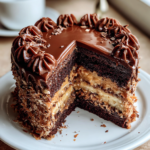
A Classic German Chocolate Cake Recipe with Rich Flavor
Ingredients
- 2 cups all-purpose flour
- 2 cups granulated sugar
- 3/4 cup unsweetened cocoa powder
- 1 1/2 teaspoons baking powder
- 1 1/2 teaspoons baking soda
- 1 teaspoon salt
- 1 cup whole milk
- 1/2 cup vegetable oil
- 2 large eggs
- 2 teaspoons vanilla extract
- 1 cup sweetened shredded coconut
- 1 cup chopped pecans
- 1 cup granulated sugar for frosting
- 1/2 cup evaporated milk
- 1/2 cup butter for frosting
- 1 teaspoon vanilla extract for frosting
Instructions
- Preheat the oven to 350°F (175°C).
- Grease and flour three 9-inch round cake pans.
- In a large mixing bowl, combine flour, sugar, cocoa powder, baking powder, baking soda, and salt.
- In a separate bowl, whisk together milk, oil, eggs, and vanilla.
- Combine the wet and dry ingredients, mixing until just combined.
- Divide the batter evenly among the three prepared pans.
- Bake for 25-30 minutes or until a toothpick inserted in the center comes out clean.
- Allow the cakes to cool in the pans for 10 minutes before removing them.
- Transfer the cakes to a wire rack to cool completely.
- Prepare the frosting by combining granulated sugar, evaporated milk, butter, and vanilla.
- Cook the mixture over medium heat until it thickens, stirring constantly.
- Remove from heat and stir in the coconut and pecans.
- Once the cakes are completely cool, frost the top of one layer and stack another on top.
- Repeat the frosting process for the second layer and top with the third layer.
- Frost the top and sides of the cake with the remaining frosting.
- Allow the frosted cake to set for at least 30 minutes before serving.
Notes
Additional serving suggestions: pair with a crisp salad, garlic bread, or roasted seasonal vegetables for balance.
For make-ahead, prep components separately and assemble just before heating to preserve texture.
Taste and adjust with acid (lemon/vinegar) and salt right at the end to wake up flavors.