Introduction
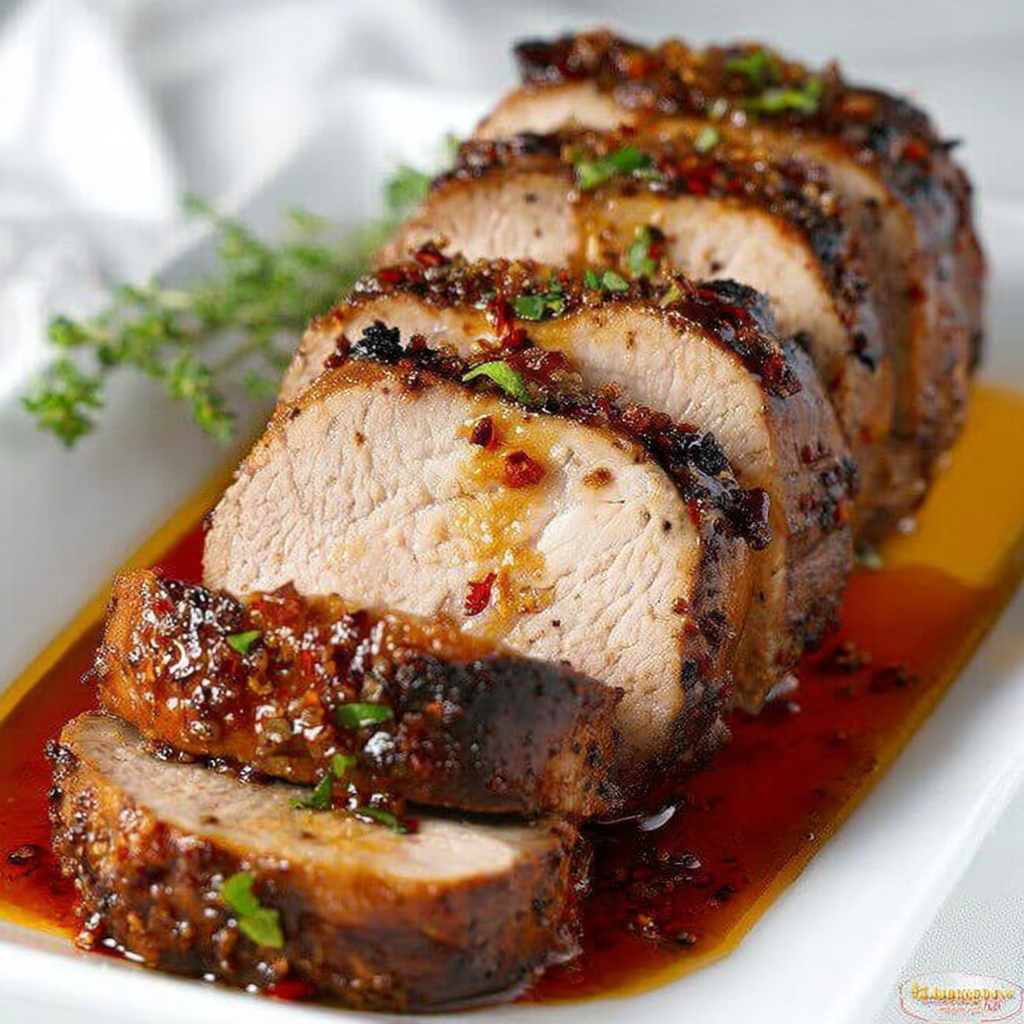
Pork tenderloin is one of the most tender and succulent cuts of meat available, making it a favorite among home cooks. This lean cut is not only quick to prepare but also absorbs flavors beautifully, resulting in a delicious roast that can impress any dinner guest.
When cooked correctly, pork tenderloin retains its natural juices, leading to a juicy and flavorful dish. Whether you’re celebrating a special occasion or just enjoying a weekend family meal, mastering this roast can enhance your cooking repertoire.
Ingredients
- 2 pork tenderloins (about 1 pound each)
The star of this dish, pork tenderloin is exceptionally lean and tender when cooked properly. Choosing equal-sized tenderloins ensures even cooking and consistency in texture, allowing each piece to shine. - 2 tablespoons olive oil
Olive oil serves as a great base for the seasoning and helps achieve a beautifully seared crust. It also keeps the meat moist during cooking, enhancing the overall flavor profile. - 4 cloves garlic, minced
Garlic infuses the pork with deep, aromatic flavors that complement its natural sweetness. Minced garlic releases more essential oils, enriching the taste that permeates the meat. - 1 teaspoon dried rosemary
Rosemary adds a fragrant herbal note that pairs wonderfully with pork. Its earthy complexity enhances the overall flavor of the dish, making it more sophisticated. - 1 teaspoon dried thyme
Thyme brings a subtle earthiness that rounds out the flavors of the other herbs. Its slightly sweet, floral notes contribute to the tenderloin's aroma and taste. - Salt and pepper, to taste
Salt enhances the meat's natural flavors, while freshly cracked pepper adds a hint of spice. Balancing these seasonings is crucial for achieving the perfect flavor throughout the roast. - 1 cup low-sodium chicken broth
Chicken broth not only keeps the meat moist while roasting but also creates a rich, flavorful base for any accompanying sauce. Using low-sodium broth prevents the dish from becoming overly salty. - 1 tablespoon balsamic vinegar
Balsamic vinegar adds a touch of sweetness and acidity that brightens the dish. This enhances the flavor of the pork and balances the richness of the meat.
Directions & Preparation
Step 1: Preheat your oven to 400°F (200°C).
Preheating the oven ensures that the pork tenderloins cook evenly and achieve a nice sear from the outset. A hot oven helps lock in moisture, creating a juicy interior while developing a flavorful crust on the outside.
Step 2: Pat the pork tenderloins dry with paper towels.
Drying the meat before seasoning is essential for achieving a good sear. Excess moisture can cause steaming, which prevents the crust from forming and can lead to a less than desirable texture.
Step 3: Rub the pork with olive oil, minced garlic, rosemary, thyme, salt, and pepper.
Coating the tenderloins with oil and spices allows the flavors to penetrate the meat and form a delicious crust. Rubbing the seasonings in evenly will ensure each bite is packed with flavor, enhancing the overall eating experience.
Step 4: Heat a large oven-safe skillet over medium-high heat.
Heating the skillet before adding the pork will create a nice sear that locks in juices. Using an oven-safe skillet allows for a seamless transition from stovetop to oven.
Step 5: Sear the pork tenderloins on all sides for about 3-4 minutes.
Searing creates a caramelized crust that adds additional flavor through the Maillard reaction. This step is vital for both texture and taste, giving the roast a gourmet quality right from your kitchen.
Step 6: Add the chicken broth and balsamic vinegar to the skillet.
Adding broth and vinegar introduces moisture to the cooking process, helping to keep the pork tender and juicy. The vinegar also adds complexity, balancing the richness of the meat with its tangy sweetness.
Step 7: Transfer the skillet to the preheated oven.
Transitioning to the oven ensures that the pork cooks evenly and thoroughly. Baking at a high temperature allows the meat to continue roasting while the moisture from the broth steams it, preventing dryness.
Step 8: Roast for 20-25 minutes, or until the internal temperature reaches 145°F (63°C).
Roasting the tenderloins at the right temperature is crucial for juiciness. Using a meat thermometer to check doneness ensures you don’t overcook the pork, which can lead to dryness. Remove the pork from the oven once it reaches the target temperature.
Step 9: Let the meat rest for 5-10 minutes before slicing.
Resting the pork allows the juices to redistribute throughout the meat, preventing them from spilling out when sliced. This step is essential for achieving that tender, juicy result you desire.
Step 10: Slice and serve with the pan juices drizzled on top.
Slicing the pork against the grain will enhance the tenderness of each piece. Drizzling pan juices adds flavor and moisture, making sure that every bite is as delicious as the first.

The Importance of Searing
Searing pork tenderloin creates a rich caramelized crust that not only enhances flavor but also contributes a delightful texture. This process is essential because it locks in juices that would otherwise escape during cooking. Investing a few extra minutes on the stovetop offers a substantial pay-off in taste and presentation.
Choosing the Right Condiments
Selecting the right herbs and spices is vital for amplifying the natural flavors of the tenderloin. Rosemary and thyme are traditional companions for pork, bringing a warmth and depth that elevate the dish from simple to sophisticated. Don't be afraid to experiment with additional flavors like smoked paprika or even a hint of mustard for a unique twist.
Drizzling Pan Juices for a Perfect Finish
The pan juices from your roast are a treasure trove of flavor that deserves to be highlighted. After resting the pork, pour the juices over the sliced meat for an added layer of moisture and richness. This final touch ties the dish together, ensuring every bite is savored and remembered.
FAQs
What should I do if the pork looks dry?
If your pork looks dry, it may have been overcooked. To remedy, ensure you use a reliable meat thermometer next time and remove the roast at 145°F. Additionally, you can cover slices with pan juices or a light broth while serving to add moisture.
Can I use a different type of meat for this recipe?
Yes, you can use chicken breast or beef tenderloin as alternatives. Keep in mind that cooking times may vary, so adjust according to the meat's thickness and desired doneness for best results.
How can I enhance the flavor if the dish seems bland?
If your dish tastes bland, try adding more salt, pepper, or spices while cooking. You can also deglaze the pan with additional balsamic vinegar after removing the pork to concentrate flavors and drizzle it back onto the meat.
What is the best way to check if the tenderloin is done?
The best method is to use a meat thermometer. Insert it into the thickest part of the tenderloin; it should read 145°F (63°C) for perfect doneness. Remember to rest the meat for optimal juiciness.
Why is my pork tenderloin tough?
If your pork tenderloin is tough, it may not have rested long enough after roasting, or it could have been overcooked. Always allow it to rest for at least 5 minutes to let the juices redistribute before slicing.
Can I add vegetables to the roasting pan?
Absolutely! Adding root vegetables like carrots or potatoes around the pork adds flavor and creates a complete meal. Just ensure they have similar cooking times to the pork for optimal tenderness.
How do I know if I should adjust cooking time for bigger pieces?
If using larger pork cuts, increase the cooking time by checking the internal temperature about every 5 minutes after the initial estimated time. This ensures even cooking without risking dryness.
What if my seasoning isn't sticking to the pork?
If your seasoning isn't adhering well, ensure the pork is dry and the oil is applied evenly. Try pressing the spice blend into the meat with your hands to help it adhere better.
Conclusion
Cooking a juicy and tender pork tenderloin roast is an art that combines technique and quality ingredients. With a little attention to detail and the right approach, you can create a dish that sings with flavor and impresses your guests.
Whether served alongside seasonal vegetables or a light salad, this pork tenderloin roast is versatile enough to suit any occasion. So roll up your sleeves, and enjoy the rewarding experience of crafting a perfect roast.
Recipe Card

Delicious Pumpkin S’mores Cookies for Fall Baking
Ingredients
- 1 cup pumpkin puree
- 1 cup brown sugar
- 1/2 cup granulated sugar
- 1/2 cup unsalted butter softened
- 2 large eggs
- 2 cups all-purpose flour
- 1 teaspoon baking soda
- 1 teaspoon ground cinnamon
- 1/2 teaspoon ground nutmeg
- 1 cup chocolate chips
- 1 cup graham cracker crumbs
Instructions
- Preheat the oven to 350°F (175°C).
- In a large bowl, cream together the softened butter, brown sugar, and granulated sugar until light and fluffy.
- Add in the pumpkin puree and eggs, mixing until well combined.
- In a separate bowl, whisk together the flour, baking soda, cinnamon, and nutmeg.
- Gradually add the dry mixture to the wet mixture, stirring until just combined.
- Fold in the chocolate chips and graham cracker crumbs.
- Using a cookie scoop, drop rounded tablespoons of dough onto a lined baking sheet.
- Bake in the preheated oven for 10-12 minutes, or until the edges are set but the centers are still soft.
- Allow the cookies to cool on the baking sheet for 5 minutes before transferring them to a wire rack to cool completely.
Notes
Additional serving suggestions: pair with a crisp salad, garlic bread, or roasted seasonal vegetables for balance.
For make-ahead, prep components separately and assemble just before heating to preserve texture.
Taste and adjust with acid (lemon/vinegar) and salt right at the end to wake up flavors.