Introduction
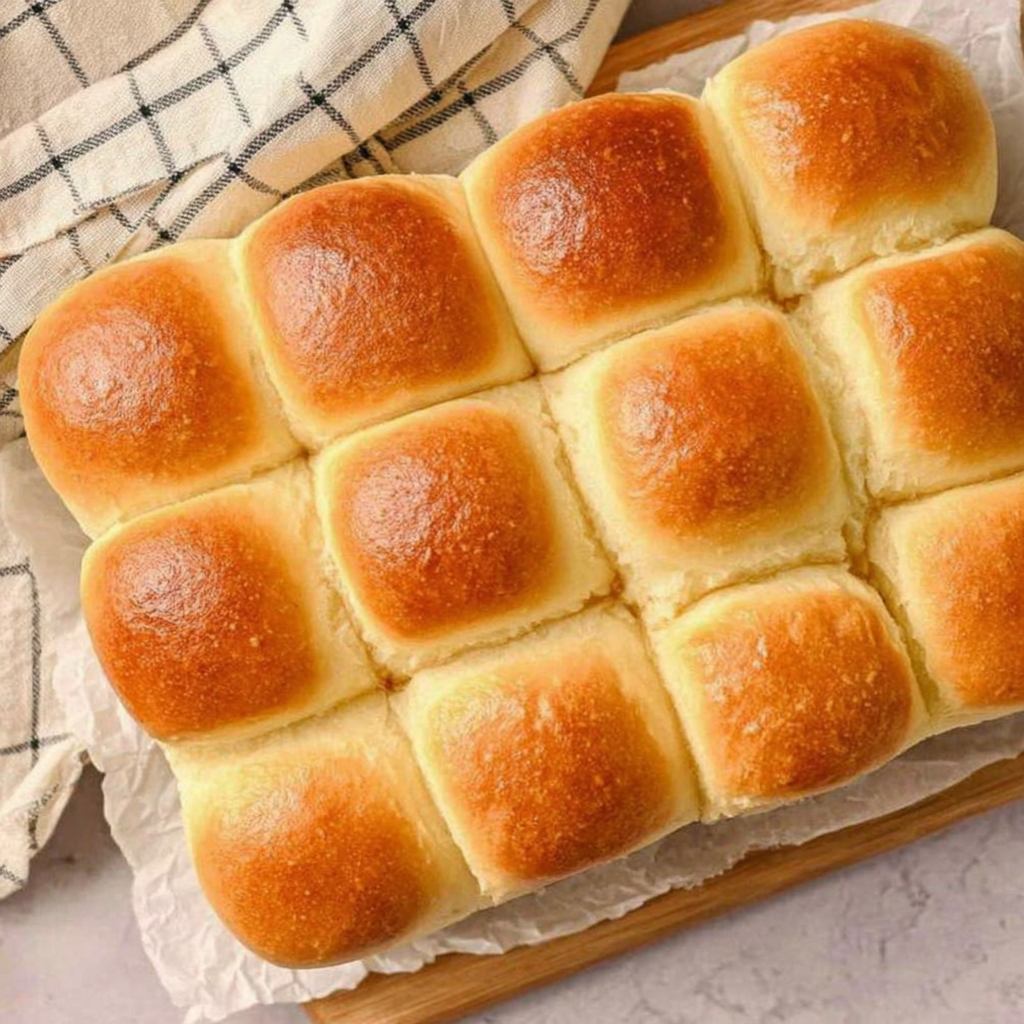
Freshly baked bread rolls are a wonderful addition to any meal. The aroma that wafts through your kitchen as they bake can be irresistible, creating a sense of warmth and comfort. There's something particularly satisfying about kneading dough and watching it rise, transforming simple ingredients into something delightful.
Fluffy bread rolls exhibit the perfect balance between a soft, airy interior and a slightly crisp exterior. Whether enjoyed on their own, slathered with butter, or served alongside a main course, these rolls are an inviting companion. In this article, we will explore the ingredients and steps needed to craft your own light and airy rolls at home.
Ingredients
- 4 cups all-purpose flour
This is the main ingredient, providing structure and texture to the rolls. The high protein content helps develop gluten, which is essential for achieving that fluffy rise. - 1 packet (2 1/4 tsp) active dry yeast
Yeast is the key leavening agent in the dough, responsible for fermentation. It creates gas bubbles that make the bread rise, leading to a light and airy texture. - 1 1/2 cups warm milk
Warm milk activates the yeast, helping it to grow and multiply. It also adds moisture and richness to the dough, contributing to the overall tenderness of the rolls. - 1/4 cup granulated sugar
Sugar feeds the yeast, allowing it to ferment and produce gas. Beyond that, it also adds a slight sweetness that enhances the overall flavor of the rolls. - 1/4 cup unsalted butter, melted
Butter adds richness and flavor to the rolls. It also contributes to the softness of the bread, creating a tender crumb. - 1 tsp salt
Salt is essential for flavor and helps to regulate the yeast's activity. It enhances the overall taste of the rolls, preventing them from being bland. - 2 large eggs
Eggs serve multiple purposes, adding moisture and richness while also acting as a binding agent. They help give the rolls a tender texture and beautiful color.
Directions & Preparation
Step 1: Activate the yeast
In a small bowl, combine warm milk, sugar, and yeast. Let it sit for about 5–10 minutes until frothy. This step proves the yeast is active and ready to help your rolls rise. If it doesn't foam, your yeast might be dead, and you will need to start over.
Step 2: Mix the dry ingredients
In a large mixing bowl, whisk together flour and salt. This helps to evenly distribute the salt, which is crucial, as too much in one spot could hamper yeast activity. It also aerates the flour, leading to better mixing later.
Step 3: Combine wet and dry components
Add the frothy yeast mixture, melted butter, and eggs to the flour mixture. Mix until a dough forms. This combination creates a rich mixture that will turn into soft bread. Pay attention to the feel of the dough during this step—it should be slightly tacky but not overly sticky.
Step 4: Knead the dough
On a floured surface, knead the dough for about 8–10 minutes until smooth and elastic. Kneading develops gluten, which is essential for a good bread structure. You can check for gluten development by stretching a small piece of dough—if it stretches without tearing, you're ready for the next step.
Step 5: First rise
Place the kneaded dough in a greased bowl, cover it with a damp cloth, and let it rise in a warm area for about 1 to 1.5 hours, or until it doubles in size. This is the fermentation stage, where yeast produces carbon dioxide, causing the dough to rise.
Step 6: Shape the rolls
Once risen, punch down the dough to release air. Divide it into 12 equal pieces, shape them into balls, and place them in a greased baking dish. Shaping helps create surface tension, which is crucial for the rolls to rise properly when baking.
Step 7: Second rise
Cover the shaped rolls with a kitchen towel and let them rise again for about 30–45 minutes until puffy. This final rise is where the rolls get their fluffy texture. The dough should feel soft and pillowy when you gently touch it.
Step 8: Preheat the oven
Preheat your oven to 375°F (190°C). Ensuring the oven is hot before baking contributes to achieving a proper rise as the rolls bake.
Step 9: Bake
Transfer the rolls to the hot oven and bake for 18–20 minutes until golden brown. The high temperature is necessary for the rapid rise and sets the rolls with a nice crust. Keep an eye on their color; you want that golden hue.
Step 10: Cool and serve
Once baked, remove the rolls from the oven and allow them to cool slightly before serving. Cooling allows the structure to set, preventing them from becoming overly dense when cut. Enjoy these fluffy rolls fresh from the oven or with your favorite spread.

The Science Behind the Rise
Understanding the fermentation process can greatly enhance your bread-making skills. Yeast feeds on sugars in the dough, producing carbon dioxide, which causes it to rise. During the first rise, the dough expands as yeast ferments, creating a complex flavor as it develops. The second rise is crucial for achieving that fluffy texture, giving the gases trapped within the dough time to expand and create a light structure.
Kneading Techniques for Soft Bread
Kneading dough is an art that requires patience and practice. This process helps develop gluten, which is essential for the structure of your rolls. The dough should feel tacky yet smooth as you knead. If it's too sticky, add a little flour; if too dry, sprinkle a bit of water. Proper kneading results in a pillowy texture and helps create the airy crumb you desire.
Tips for Perfectly Fluffy Rolls
To guarantee outstanding results, consider using room temperature ingredients. This aids in the yeast activation process, making it easier for the dough to rise. Additionally, avoid overcrowding the rolls in the baking dish to allow for proper air circulation. Lastly, if your kitchen is cold, consider placing the dough in a slightly warmed oven, keeping the door ajar to create a warm environment for rising.
FAQs
Why did my rolls come out dense?
Dense rolls can result from insufficient kneading or an inactive yeast. Make sure the yeast is fresh and well-activated before adding it to the dough.
What can I do if my dough is too sticky?
If your dough feels excessively sticky while kneading, gradually add small amounts of flour until it reaches a manageable consistency. Be cautious not to overdo it, as too much flour can lead to dry rolls.
I want to make mini rolls. How would I adjust the recipe?
To make mini rolls, simply divide the dough into smaller pieces, about 1 ounce each. You may also need to adjust the baking time, reducing it to around 12–15 minutes.
How do I know when the rolls are done baking?
The rolls should be golden brown and sound hollow when tapped on the bottom. You can also insert a thermometer; they should reach around 190°F (88°C) when fully baked.
What should I do if my dough isn't rising?
If your dough isn't rising, it may be due to the yeast not being activated properly or a cold environment. Ensure the liquid is warm but not hot and let the dough rise in a warmer area.
Can I add herbs or cheese for extra flavor?
Yes, feel free to incorporate herbs or grated cheese into the dough during mixing. Just be cautious not to add too much, which could affect the dough's structure.
Conclusion
Crafting fluffy bread rolls at home can be a rewarding experience, filling your kitchen with delicious scents and tastes. With simple ingredients and a little patience, you can create rolls that elevate any meal.
As you perfect your technique, don't hesitate to experiment with flavors or shapes. Each batch is a step toward becoming more comfortable with bread making, so enjoy the process and the delightful results.
Recipe Card
Creating Light and Fluffy Bread Rolls at Home
Ingredients
- 4 cups all-purpose flour
- 1 packet 2 1/4 tsp active dry yeast
- 1 1/2 cups warm milk
- 1/4 cup granulated sugar
- 1/4 cup unsalted butter melted
- 1 tsp salt
- 2 large eggs
Instructions
- Activate the yeast
- Mix the dry ingredients
- Combine wet and dry components
- Knead the dough
- First rise
- Shape the rolls
- Second rise
- Preheat the oven
- Bake
- Cool and serve
Notes
Additional serving suggestions: pair with a crisp salad, garlic bread, or roasted seasonal vegetables for balance.
For make-ahead, prep components separately and assemble just before heating to preserve texture.
Taste and adjust with acid (lemon/vinegar) and salt right at the end to wake up flavors.