Introduction
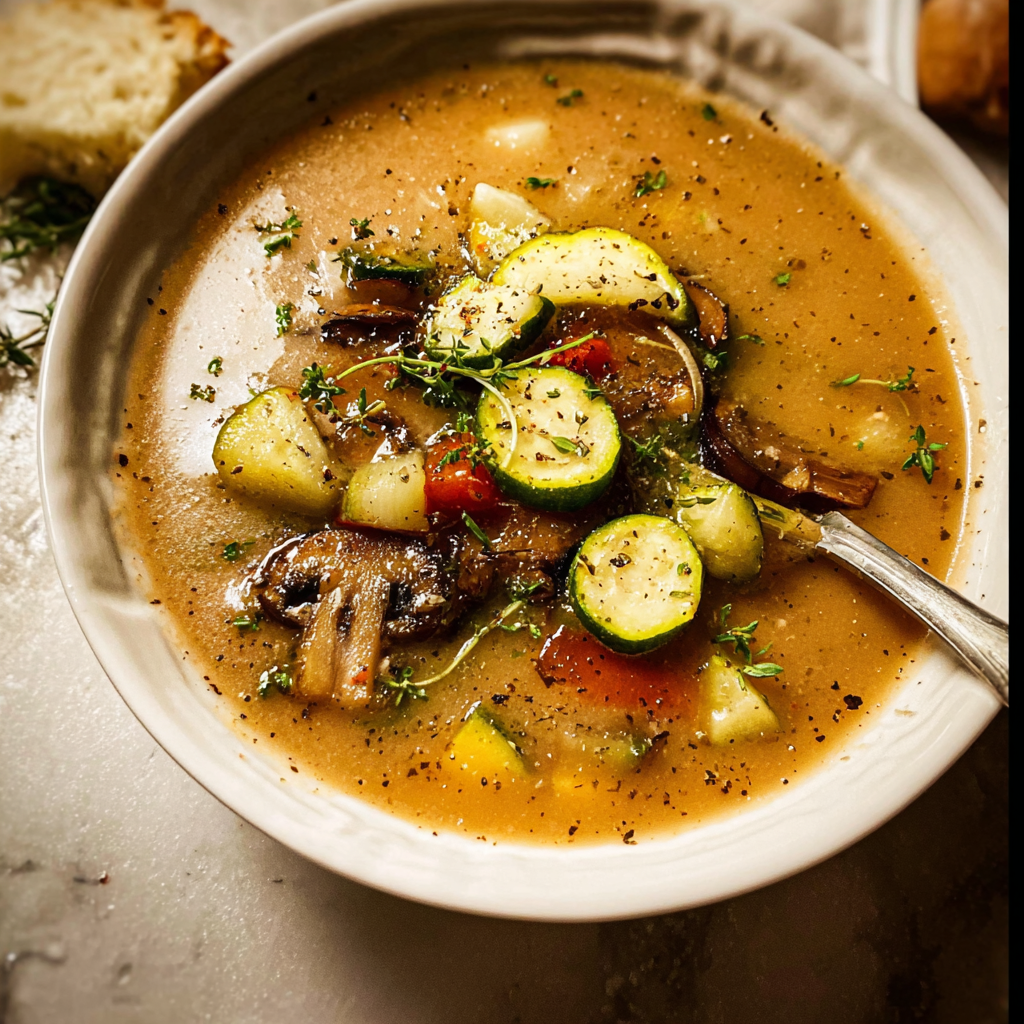
Ratatouille soup brings together the essence of traditional ratatouille in a warm, comforting bowl. This dish celebrates vibrant vegetables while enhancing their natural flavors through slow cooking. Perfect for a cozy dinner or a nutritious lunch, it's a versatile recipe you can enjoy year-round.
The beauty of ratatouille soup lies in its simplicity and the way it transforms fresh ingredients into a hearty, satisfying meal. Each vegetable contributes a unique taste and texture, creating a harmonious balance that warms the soul. Ideal for both seasoned chefs and novice cooks, this recipe encourages creativity in the kitchen.
Ingredients
- 2 tablespoons olive oil
Olive oil serves as the base for sautéing the vegetables, adding richness and a fruity flavor. It also helps to extract and enhance the flavors of the other ingredients during cooking. - 1 onion, diced
Onions provide a foundational flavor and sweetness that builds the base of the soup. When cooked, they caramelize slightly, adding depth to the overall taste. - 2 cloves garlic, minced
Garlic adds a robust aroma and pungency, which complements the sweetness of the onions. It infuses the soup with flavor, especially when sautéed until fragrant. - 1 bell pepper, chopped
Bell peppers bring a tender, crisp texture and mild sweetness. Their bright colors also enhance the visual appeal of the soup, making it more inviting. - 1 zucchini, diced
Zucchini adds a soft texture that melds well with other vegetables, absorbing flavors while contributing moisture to the soup. Its mild taste allows other ingredients to shine. - 1 eggplant, diced
Eggplant introduces a meaty texture and absorbs flavors beautifully. It adds a unique earthiness to the soup, making it feel hearty without relying on meat. - 2 cups diced tomatoes (fresh or canned)
Tomatoes act as the stew’s base, providing acidity and a tangy sweetness that balances the other vegetables. Fresh tomatoes lend brightness, while canned ones add convenience. - 2 cups vegetable broth
Vegetable broth serves as the soup's liquid component, infusing flavor without overwhelming it. Homemade or store-bought, it's essential for bringing all ingredients together with warmth. - 1 teaspoon dried thyme
Thyme adds an aromatic quality that elevates the soup, enhancing its traditional Mediterranean flair. Its earthy notes complement the vegetables and provide warmth. - Salt and pepper to taste
Seasoning throughout the cooking process ensures balanced flavors. Salt draws out moisture and enhances the taste, while pepper adds a gentle bite. - Fresh basil for garnish
Basil brightens the soup with its aromatic, slightly sweet flavor. Added just before serving, it contributes freshness and enhances the presentation, inviting you to dig in.
Directions & Preparation
Step 1: Heat olive oil in a large pot over medium heat.
Heating the olive oil properly is crucial to release its flavors and prevent the vegetables from sticking. Allowing it to heat until shimmering ensures that the onions and garlic will sauté effectively, enhancing their aromatic qualities.
Step 2: Add the diced onion and sauté for about 5 minutes.
Sautéing the onion until it's translucent releases its natural sugars, creating a sweeter flavor base. Stir occasionally to prevent burning and to ensure even cooking, unlocking the onion's full flavor potential before adding other ingredients.
Step 3: Stir in the minced garlic and cook for another minute.
Adding garlic just after the onions enhances both vegetables' sweet and savory notes. Cooking it briefly prevents it from burning, which can result in a bitter taste, while allowing its flavor to permeate the dish.
Step 4: Add the chopped bell pepper and cook for another 5 minutes.
The bell pepper will soften and release its juices during this time, contributing to the soup's moisture. Stirring regularly ensures even cooking and integration of flavors, developing the soup's overall taste.
Step 5: Incorporate the diced zucchini and eggplant, stirring to combine.
Both zucchini and eggplant will need a bit more time to soften. Stirring them in helps coat the vegetables in the flavors of the pot, ensuring they absorb the taste from the sautéed onions and garlic.
Step 6: Add the diced tomatoes and vegetable broth, then stir in the thyme.
This step combines all ingredients into a cohesive broth, where the tomatoes contribute acidity and depth. Thyme complements the medley of flavors, allowing the soup to simmer together and develop a richer taste.
Step 7: Season with salt and pepper, adjusting to taste.
Seasoning at this stage is essential to properly balance the overall flavor. Adjusting salt and pepper allows the rich flavors to shine and can dramatically change the taste profile of the soup.
Step 8: Bring the soup to a gentle boil, then reduce heat to simmer for 25-30 minutes.
Simmering allows the flavors to meld beautifully and the vegetables to soften further, resulting in a thick and comforting soup. Check occasionally to ensure it doesn’t boil too rapidly, which could overcook the vegetables.
Step 9: Remove from heat and let cool slightly before blending, if desired.
Blending can create a smoother texture, but leaving it chunky preserves the rustic nature of ratatouille. Decide on this step based on personal preference for soup consistency and flavor absorption.
Step 10: Serve warm, garnished with fresh basil.
Garnishing with fresh basil prior to serving adds an aromatic touch and additional flavor. Enjoying the soup while warm enhances its comforting qualities and the full spectrum of flavors.

Balancing Flavors for the Perfect Soup
Crafting a flavorful ratatouille soup hinges on balancing the sweetness of the vegetables and the acidity of the tomatoes. Consider tasting throughout the cooking process; adjusting seasoning or adding a splash of vinegar can enhance the depth of flavor. This attention to balance helps ensure your soup is not just a combination of ingredients, but a delightful experience.
Creative Twists to Tailor Your Soup
Feel free to customize your ratatouille soup with whatever seasonal vegetables you have on hand. Adding a pinch of red pepper flakes for heat or a splash of balsamic vinegar for extra acidity can elevate the dish. This flexibility encourages home cooks to experiment, making the recipe a canvas that reflects your personal taste.
Nutritional Benefits of Ratatouille Soup
Ratatouille soup is not only delicious but also packed with nutritional benefits. The variety of vegetables provides essential vitamins, minerals, and dietary fiber, contributing to a balanced diet. Additionally, the use of olive oil offers healthy fats that can support heart health, making this soup a wholesome choice for any meal.
FAQs
What if my soup turns out too thick?
If your ratatouille soup is too thick, gradually add more vegetable broth or water over low heat until you achieve your desired consistency. Stir well to incorporate the liquid evenly.
How do I make my soup more flavorful?
To enhance the flavor, consider adding more herbs like oregano or fresh basil during cooking. A splash of balsamic vinegar can also brighten the flavors, making the soup more vibrant.
My vegetables are overcooked, what can I do?
If the vegetables become mushy, the soup can still be salvaged by blending it to create a smooth texture. Otherwise, using less cooking time on future attempts can prevent this issue.
Can I add beans or grains to make it heartier?
Yes, you can add cooked beans or grains like quinoa or rice to increase the heartiness of the soup. Just add them in last to heat through without overcooking.
Is it possible to make this a one-pot meal?
Absolutely! You can easily add protein like sausage or chicken while sautéing the onions for a more complete meal, cooking everything in one pot for easy clean-up.
Can I use frozen vegetables instead?
Yes, frozen vegetables can be used in this recipe for convenience. Just adjust the cooking time as needed, since they're often blanched and will cook quicker than fresh.
Conclusion
Ratatouille soup is a beautiful representation of seasonal cooking, showcasing the vibrancy and richness of fresh vegetables. Its balance of flavors and textures makes it comforting and satisfying, perfect for any occasion.
As you experiment with this recipe, remember that cooking is all about personal expression. Embrace your creativity, and tailor the soup to make it your own masterpiece.
Recipe Card

Exploring the Comfort of Ratatouille Soup
Ingredients
- 2 tablespoons olive oil
- 1 onion diced
- 2 cloves garlic minced
- 1 bell pepper chopped
- 1 zucchini diced
- 1 eggplant diced
- 2 cups diced tomatoes fresh or canned
- 2 cups vegetable broth
- 1 teaspoon dried thyme
- Salt and pepper to taste
- Fresh basil for garnish
Instructions
- Heat olive oil in a large pot over medium heat.
- Add the diced onion and sauté for about 5 minutes.
- Stir in the minced garlic and cook for another minute.
- Add the chopped bell pepper and cook for another 5 minutes.
- Incorporate the diced zucchini and eggplant, stirring to combine.
- Add the diced tomatoes and vegetable broth, then stir in the thyme.
- Season with salt and pepper, adjusting to taste.
- Bring the soup to a gentle boil, then reduce heat to simmer for 25-30 minutes.
- Remove from heat and let cool slightly before blending, if desired.
- Serve warm, garnished with fresh basil.
Notes
Additional serving suggestions: pair with a crisp salad, garlic bread, or roasted seasonal vegetables for balance.
For make-ahead, prep components separately and assemble just before heating to preserve texture.
Taste and adjust with acid (lemon/vinegar) and salt right at the end to wake up flavors.